
How to Select the Right Precast Boundary Wall Manufacturer for Your Project
Choosing the right precast boundary wall manufacturer is an important decision when planning a residential, commercial, industrial, infrastructure, or large-scale development project. A boundary wall is not only used to define property limits; it can also provide security, privacy, durability, and a finished appearance to the site.
Precast concrete boundary walls are increasingly preferred because they can be manufactured under controlled conditions and installed comparatively faster than conventional masonry walls. However, the quality of the finished wall depends heavily on the manufacturer, materials, manufacturing process, design, transportation, and installation.
With multiple suppliers available in the market, how do you know which precast compound wall manufacturer is suitable for your project?
This guide explains the key factors you should consider before selecting a manufacturer and supplier.
What Is a Precast Boundary Wall?
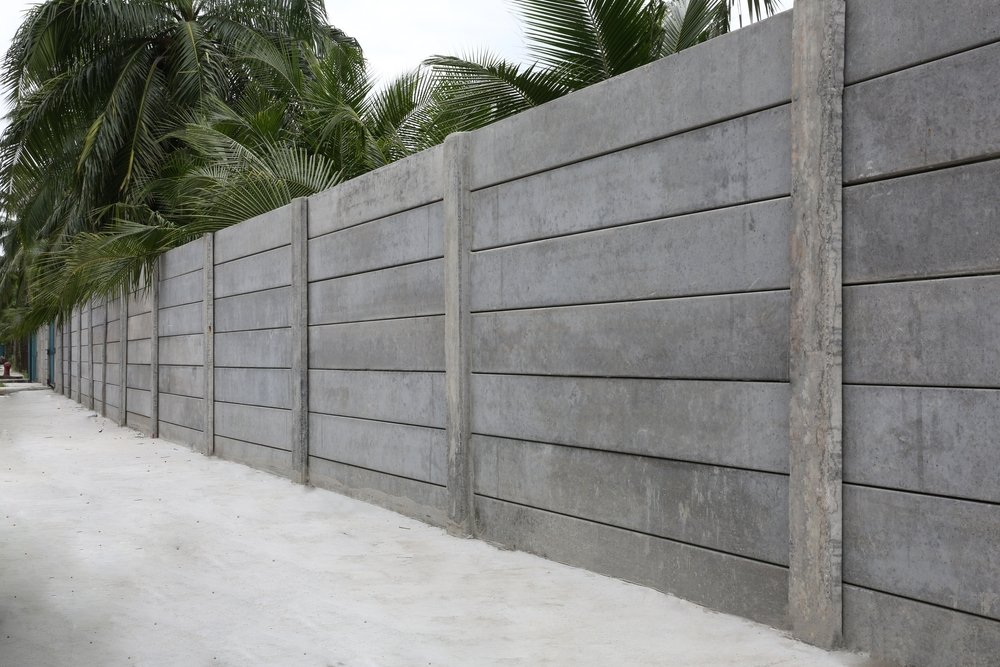
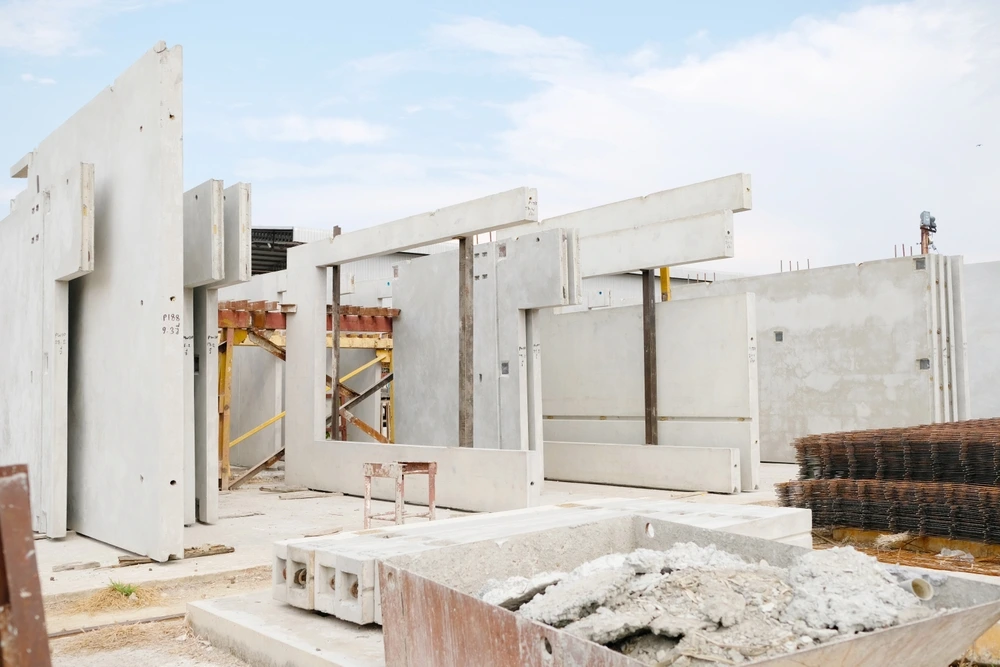
A precast boundary wall is a wall system made from concrete components that are manufactured in advance at a controlled production facility. The components, such as posts and wall panels, are transported to the project site and installed according to the required layout.
Unlike conventional brick or block construction, precast systems can reduce the amount of on-site construction work required.
Depending on the project, precast boundary walls can be used for:
-
Residential properties
-
Industrial facilities
-
Warehouses and factories
-
Solar power projects
-
Commercial properties
-
Agricultural land
-
Infrastructure projects
-
Construction sites
-
Institutional properties
-
Large land developments
For large projects where installation speed and consistency are important, selecting an experienced precast boundary wall manufacturer can make a significant difference.
1. Check the Manufacturer's Experience
Experience should be one of the first things you evaluate when comparing precast wall manufacturers.
A manufacturer with experience across different types of projects is more likely to understand practical requirements such as wall height, panel dimensions, foundation conditions, transportation, installation, and site accessibility.
Ask the manufacturer about:
-
Years of experience
-
Previous projects
-
Types of customers served
-
Manufacturing capabilities
-
Available wall designs
-
Installation experience
-
Project locations
-
References or completed projects
You can also request project photographs or examples of completed installations.
The goal is not simply to choose a company that has been in business for a long time. Instead, look for a manufacturer that has relevant experience with projects similar to yours.
2. Evaluate Concrete and Material Quality
The durability of a precast boundary wall starts with the quality of its materials.
A professional precast concrete boundary wall manufacturer should have a consistent manufacturing process and appropriate quality controls for concrete, reinforcement, moulds, and other materials used in production.
When discussing your project, ask about:
-
Concrete quality
-
Reinforcement used in panels and posts
-
Manufacturing process
-
Curing practices
-
Panel thickness
-
Post dimensions
-
Quality inspection procedures
-
Expected service conditions
Material quality can affect the wall's strength, appearance, durability, and long-term performance.
Do not select a supplier based only on the lowest quotation. A lower initial price may not represent the best overall value if the product quality, installation, or service is inadequate.
3. Compare Precast Boundary Wall Designs
Different projects require different wall designs.
A residential property may require an aesthetically appealing design, while an industrial or solar project may prioritize durability, security, and installation speed.
Ask your manufacturer about available options for:
-
Wall height
-
Panel design
-
Panel thickness
-
Post design
-
Surface finish
-
Decorative patterns
-
Concrete texture
-
Custom requirements
A reliable precast compound wall supplier should be able to recommend an appropriate configuration based on your site requirements rather than offering only one standard option.
4. Consider Your Project's Location and Site Conditions
Before ordering a precast boundary wall, the site should be evaluated properly.
Important considerations include:
-
Total boundary length
-
Required wall height
-
Ground conditions
-
Level differences
-
Access for transportation
-
Installation space
-
Soil conditions
-
Existing structures
-
Gate locations
-
Drainage requirements
For example, a long industrial boundary may require a different installation approach compared with a small residential plot.
Discussing these factors with the precast boundary wall manufacturer before finalizing the order can help reduce unexpected installation problems.
5. Ask About Manufacturing Capacity
For large projects, manufacturing capacity is particularly important.
Suppose your project requires several thousand feet of boundary wall. The manufacturer should have sufficient production capacity to meet the required quantity within your project schedule.
Ask:
-
How many panels can be manufactured per day?
-
What is the estimated production time?
-
Can the required quantity be supplied in phases?
-
How are products stored before dispatch?
-
What is the expected delivery schedule?
A manufacturer may offer a good product but still create project delays if production capacity does not match your requirements.
Therefore, confirm the estimated production and delivery schedule before placing a large order.
6. Check Transportation and Delivery Support
Precast panels and posts need to be transported carefully from the manufacturing facility to the project site.
Transportation should be planned according to the size, quantity, and weight of the components.
Ask whether the manufacturer provides:
-
Transportation support
-
Loading and unloading arrangements
-
Delivery scheduling
-
Material handling guidance
-
Project-wise dispatch planning
A manufacturer that coordinates production and delivery can make the overall process easier, particularly for large or time-sensitive projects.
7. Understand the Installation Process
Buying good-quality precast panels is only one part of the project.
Proper installation is equally important.
The installation process generally involves preparing the boundary layout, establishing post positions, preparing the foundation or post holes, installing posts, positioning panels, and checking alignment.
Ask your supplier whether they provide installation services or work with an experienced installation team.
An experienced precast wall installation team can help ensure:
-
Proper alignment
-
Correct panel positioning
-
Stable posts
-
Consistent wall height
-
Better finishing
-
Fewer installation issues
Before finalizing your manufacturer, clarify whether installation is included in the quotation or charged separately.
8. Compare Complete Project Cost Instead of Only Panel Price
Price is an important factor, but comparing only the per-panel price can give you an incomplete picture.
Your total project cost may include:
-
Precast panels
-
Posts
-
Foundation work
-
Transportation
-
Loading and unloading
-
Installation
-
Labour
-
Gate requirements
-
Site preparation
-
Taxes and other applicable charges
Ask manufacturers to provide a detailed quotation so you can compare similar specifications.
The right precast boundary wall supplier should clearly explain what is included in the quoted price.
9. Look for Consistent Quality and Finishing
A boundary wall is a long-term structure, so consistency matters.
Inspect sample panels if possible and look for:
-
Uniform dimensions
-
Consistent surface finish
-
Proper edges
-
Clean moulding
-
Suitable reinforcement
-
No significant cracks or defects
-
Consistent colour and texture
For large projects, consistent manufacturing helps create a more uniform appearance across the entire boundary.
If possible, visit the manufacturer's production facility or an existing completed project before making your final decision.
10. Ask About Customization
Not every project follows the same specifications.
Depending on your requirements, you may need customized wall height, design, dimensions, posts, or finishing.
Before selecting a precast wall manufacturer in India, ask whether the company can accommodate project-specific requirements.
Customization can be particularly useful for:
-
Industrial boundaries
-
Solar projects
-
Residential developments
-
Commercial properties
-
Agricultural land
-
Infrastructure projects
However, customized products may affect manufacturing time and overall cost, so discuss these factors in advance.
11. Check Communication and Project Support
Good communication can make a major difference during a construction project.
Your manufacturer should be able to provide clear information about:
-
Product specifications
-
Quantity requirements
-
Pricing
-
Manufacturing time
-
Delivery schedule
-
Installation
-
Payment terms
-
Warranty or applicable service support
Choose a company that communicates clearly and responds to project-related questions.
A professional supplier should help you understand the product rather than simply sending a price quotation.
12. Compare Manufacturers Before Making a Decision
Before placing your order, compare at least a few suitable manufacturers based on the same requirements.
Create a simple comparison covering:
| Factor | What to Check |
|---|---|
| Product quality | Concrete, reinforcement and finish |
| Experience | Similar completed projects |
| Design | Available styles and specifications |
| Manufacturing | Capacity and quality control |
| Delivery | Timeline and transportation |
| Installation | In-house or supported installation |
| Pricing | Complete project cost |
| Customization | Ability to meet project requirements |
| Support | Communication and after-sales assistance |
This approach helps you compare suppliers based on overall project requirements instead of choosing only by price.
Why Choose a Professional Precast Boundary Wall Manufacturer?
A professional manufacturer can provide more than precast panels. The right supplier can help coordinate product selection, manufacturing, delivery, and installation according to your project requirements.
For projects where construction speed, consistent quality, durability, and appearance are important, a properly planned precast wall system can be a practical alternative to conventional boundary wall construction.
The most suitable solution will depend on factors such as site conditions, required wall height, project size, design preferences, budget, and installation requirements.
Final Thoughts
Selecting the right precast boundary wall manufacturer requires more than comparing prices. Product quality, manufacturing standards, project experience, design options, delivery capacity, installation support, and overall service should all be considered before placing an order.
Whether you are developing a residential property, factory, warehouse, solar project, commercial site, or large land parcel, start by clearly defining your boundary requirements. Then compare manufacturers based on product specifications and complete project costs.
A reliable manufacturer should be able to understand your requirements, recommend an appropriate precast wall solution, and provide clear information from manufacturing through installation.
Looking for a Precast Boundary Wall Manufacturer?
If you are planning a new boundary wall project, Fortune Precast can help you explore suitable precast boundary wall solutions based on your project requirements.
Discuss your required wall length, height, design, location, and installation requirements with the team to understand the available options and get a project-specific quotation.
-
👉 Visit: https://www.fortuneprecast.com/
-
✅ Expert consultation for your project
-
✅ Custom design solutions
-
✅ Best price guarantee
Contact Fortune Precast today to discuss your precast boundary wall project and request a quotation.
Fortune Precast – Precast Boundary Wall Solutions for Residential, Commercial and Industrial Projects.